
Gravitational Habits
Habits aren't just behaviors—they're gravitational forces. Some pull you toward growth, others anchor you to the past. Understanding this invisible architecture is the first step to intentional change.
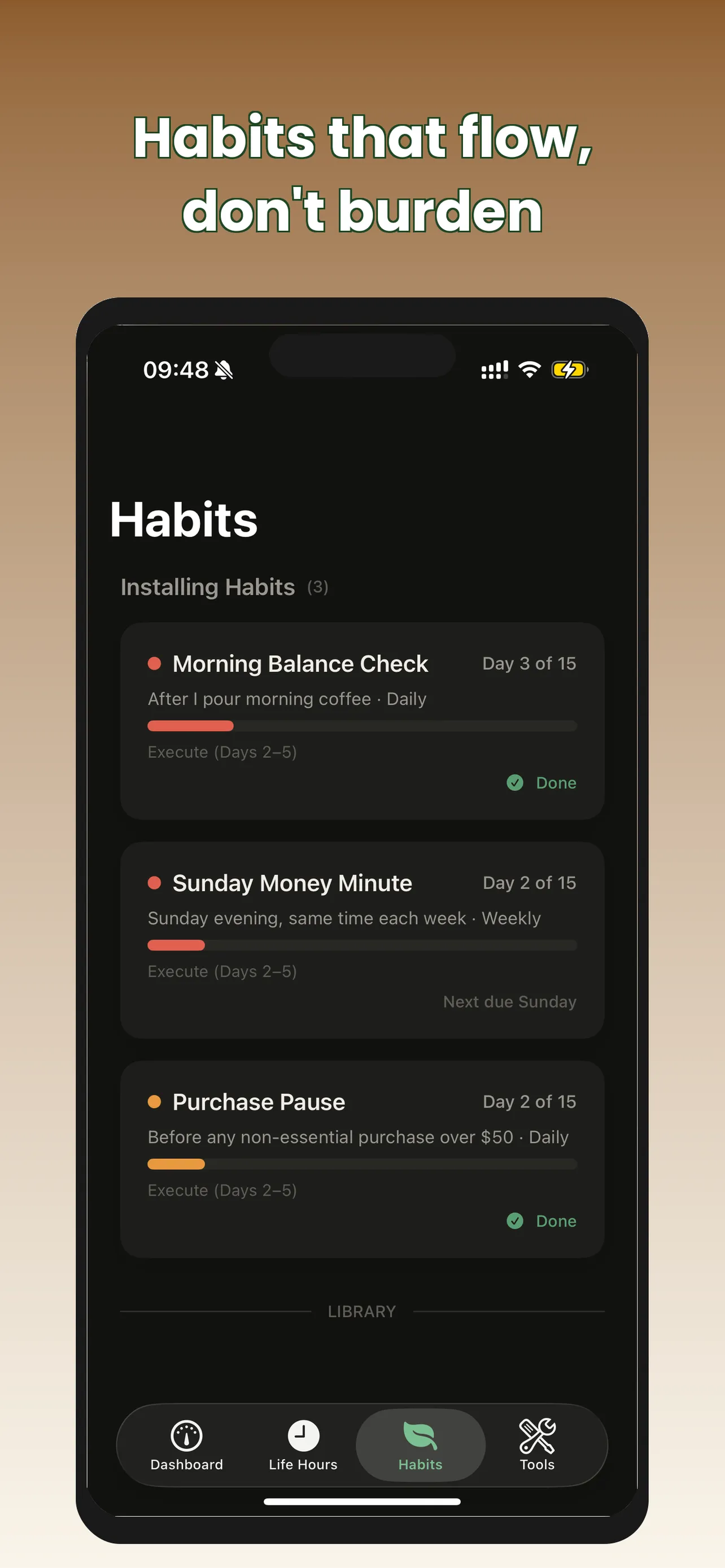
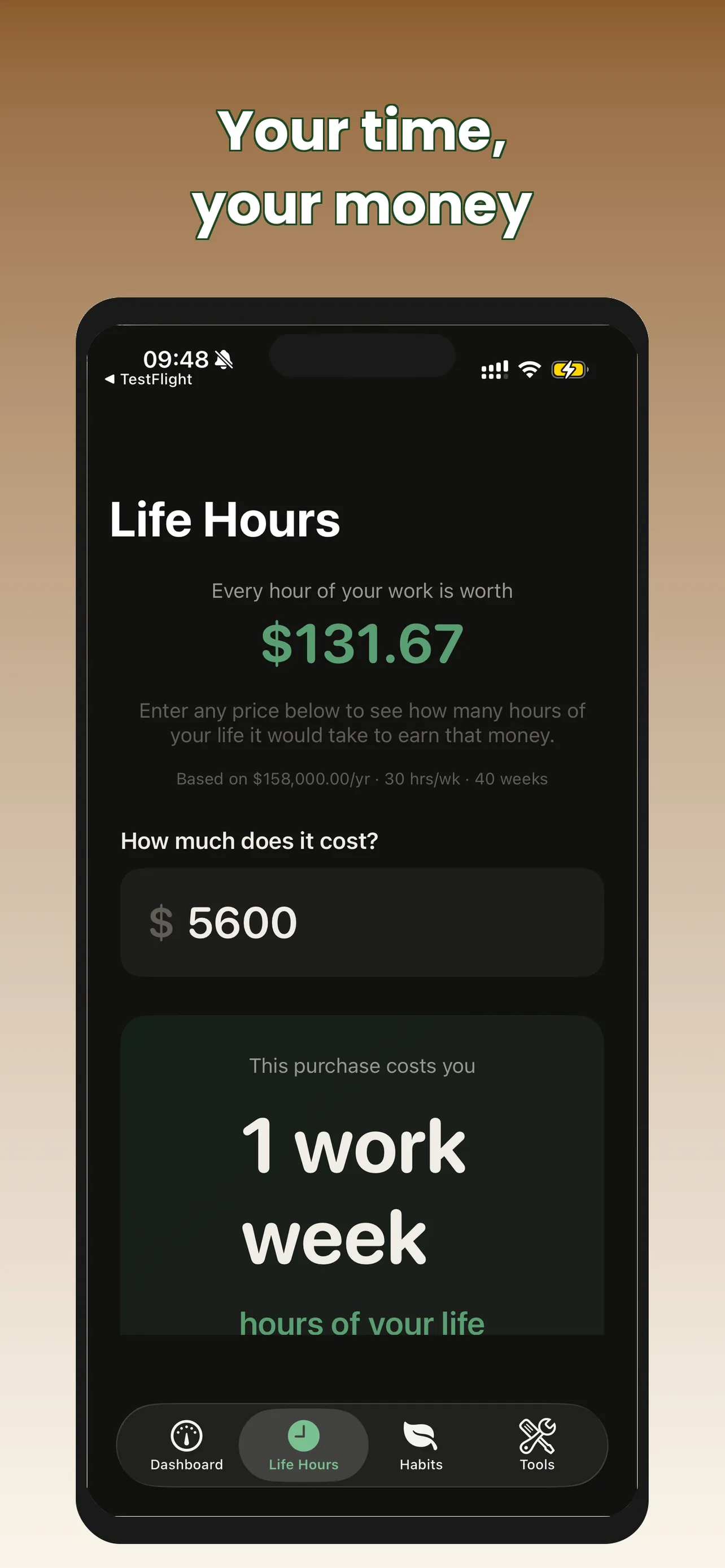
Building addTaskManager, the best iOS productivity app for ADHD minds
Habits are behavioral architecture—invisible structures that either propel or constrain your life. This collection explores how habits actually work: the gravitational forces that shape them, the patterns that make them stick, and the practical techniques for building ones that serve you. No motivation porn, no 21-day myths. Just tested approaches to understanding and leveraging the most powerful force in personal development.
Habits aren't just behaviors—they're gravitational forces. Some pull you toward growth, others anchor you to the past. Understanding this invisible architecture is the first step to intentional change.
Not all habits are created equal. Some habits, when built right, automatically generate other positive behaviors. These are the force multipliers worth investing in.
When a habit truly works, it disappears. You stop noticing it because it's become part of your operating system. Invisibility is the goal, not a side effect.
Not all routines serve you. Some create stability, others create rigidity. Understanding the difference between healthy structure and unhealthy compulsion matters.
Creating a new habit isn't about willpower—it's about architecture. The right structure makes adoption inevitable, the wrong one guarantees failure regardless of motivation.
Breaking bad habits is harder than building good ones—but only if you fight them directly. The key is understanding what function the bad habit serves, then replacing it with something better.
Some habits don't just fail to help—they actively undermine everything else. Recognizing and eliminating these destructive patterns creates more progress than adding new positive ones.
Forget the 21-day myth. Real habit formation follows a different timeline. Fifteen days of deliberate practice, structured correctly, can establish lasting behavioral change.
Financial habits are behavioral habits in disguise. The Cashflow board game accidentally teaches what most financial education misses—how money habits actually form through repetition.